Keep repairing
The system still has good years left.
- Under about 10 years old
- Repairs have been rare and minor
- Uses current refrigerant (R-410A or newer)
- Comfort and humidity are still under control
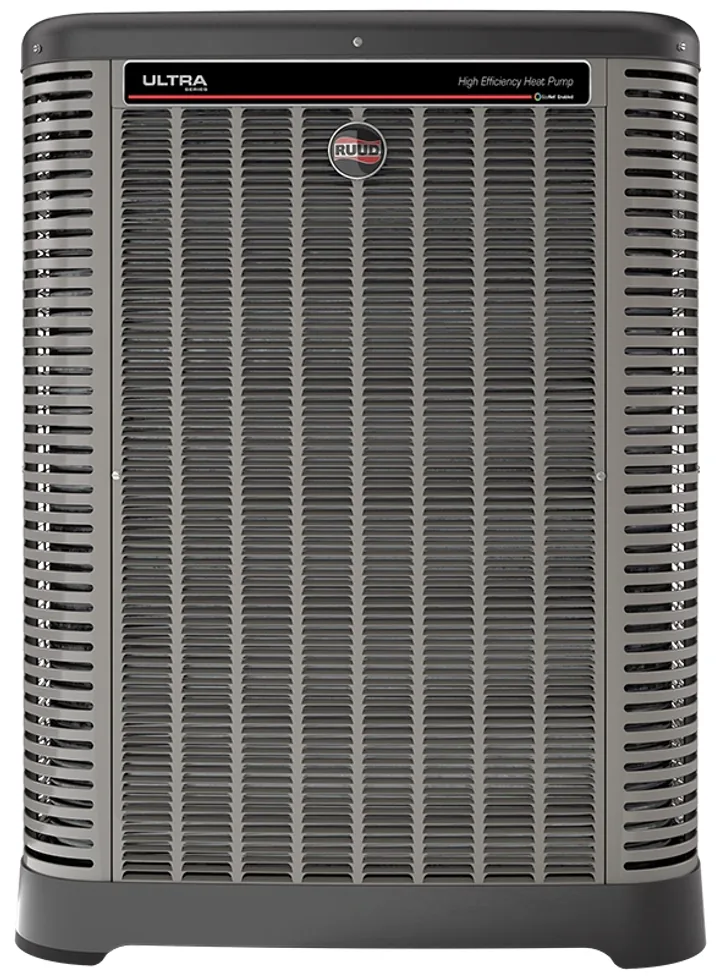
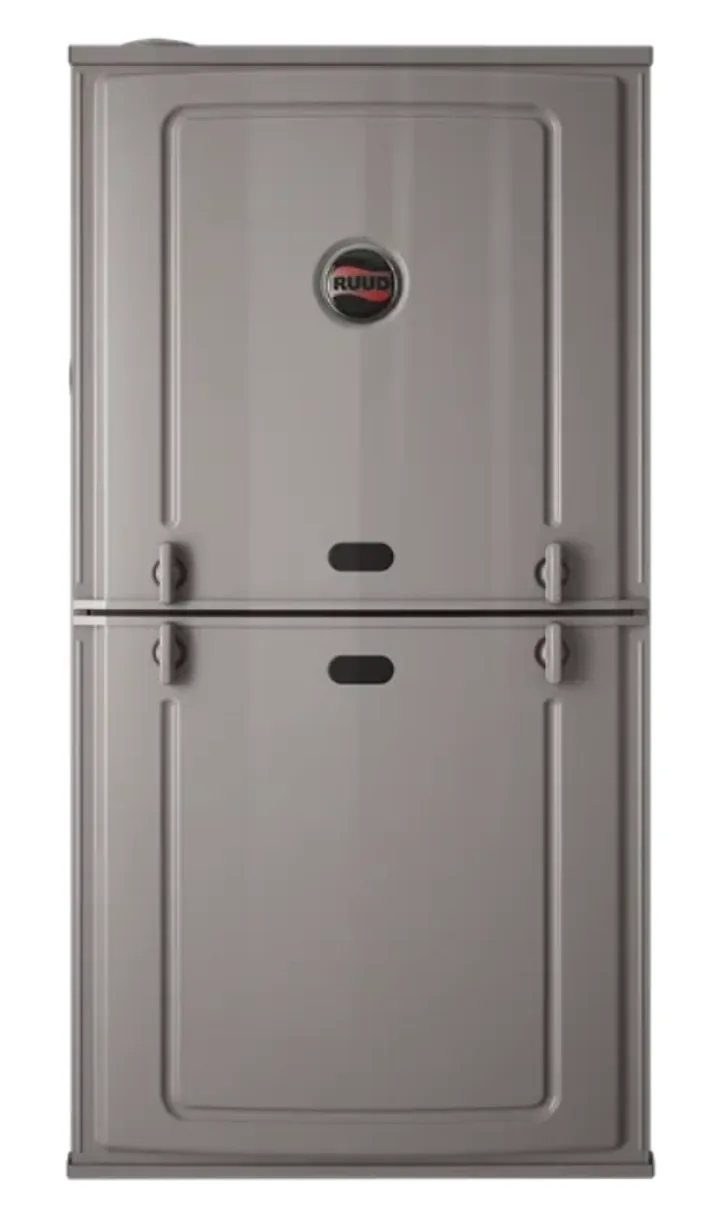
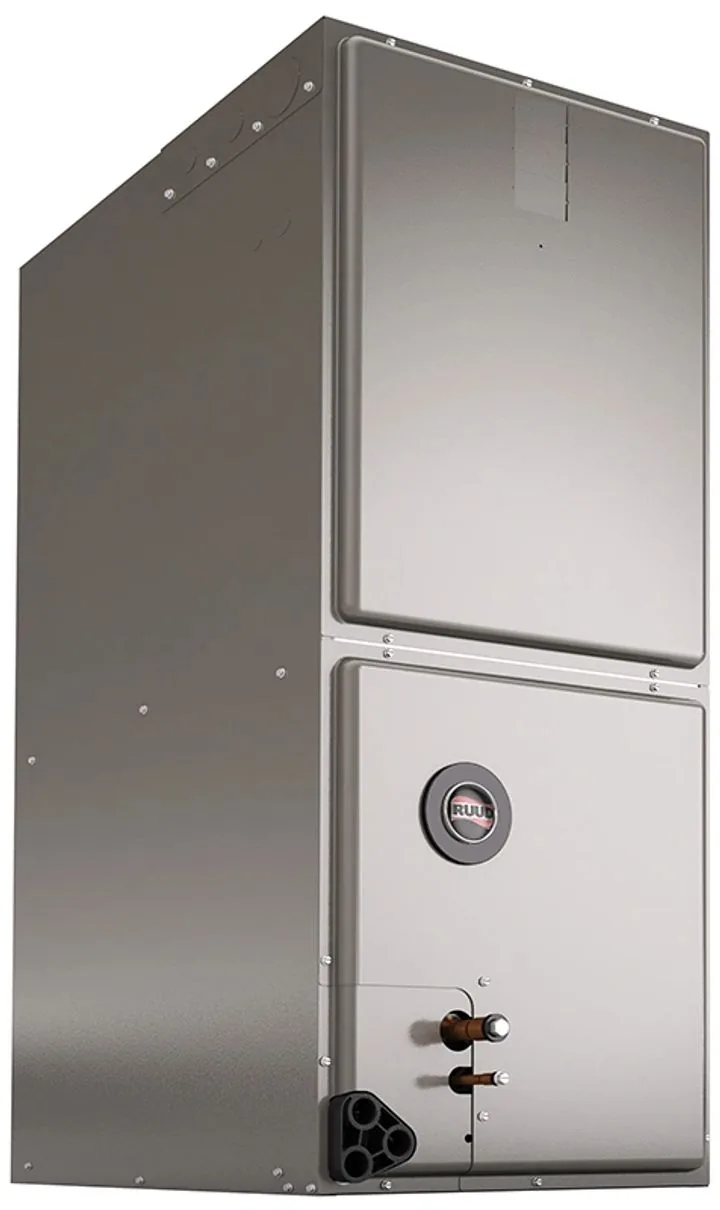
When repairs stop making sense, we install efficient equipment matched to your home and budget, and explain every option.
We never push a new system when a repair will do. These are the signs it's time to start comparing.
The system still has good years left.
Repairs are starting to cost more than they're worth.
A simple rule of thumb: multiply the system's age by the repair cost. If that number is well above the price of a new system, replacement is usually the better spend.
We explain each step before we do it.
We look at the house, ductwork, electrical and how your current system performs.
Options side by side, with the real differences in efficiency, comfort and cost.
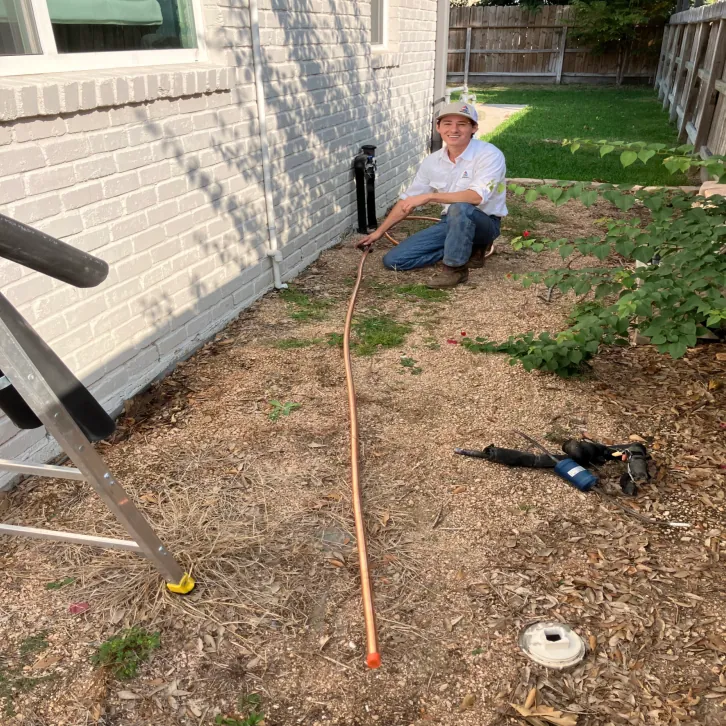
Old equipment removed, new system set, line set and drain done to code.
Refrigerant charge, airflow, temperatures and safety controls checked at startup.
We show you the thermostat, filter and warranty details before we leave.
What each rating means for your home and your bills.
How much cooling you get per unit of electricity. Higher is more efficient. Since 2023, systems are rated with SEER2, a tougher test, so the same unit scores lower than it would have under the old SEER label.
The share of gas that becomes heat in your home. An 80% furnace vents about a fifth of its fuel. A 96% furnace wastes very little and vents through PVC pipe.
New residential systems now use lower-impact refrigerants such as R-454B in place of R-410A. It needs matched equipment, another reason to replace indoor and outdoor units together.
Single-stage runs full blast or off. Two-stage and variable-speed run longer at lower power, which means quieter operation, more even rooms and better humidity control.
A new system is a big purchase. Financing may be available on installs, so ask about current options when we quote your project.
Most straightforward replacements are finished in a day. Jobs that add new ductwork, move equipment or change system types can take longer. We'll give you a timeline with your quote.
Square footage alone isn't enough. We look at the home's layout, windows, insulation, ductwork and how the current system has performed, then recommend a size that controls both temperature and humidity.
Usually, yes. Today's systems are rated and warrantied as matched sets, and new refrigerants like R-454B need compatible indoor coils. Mixing old and new parts often costs efficiency and reliability.
R-22 production ended in 2020, so the refrigerant that remains is scarce and expensive. A small repair can still make sense, but if an R-22 system needs a major repair or has a leak, replacing it is usually the better long-term spend.
Financing may be available on new system installs. Ask when we quote your project and we'll walk you through current options. See financing & specials.
We'll look at your current system and tell you whether a repair or a replacement makes more sense.